
Exploring the Health Benefits of Superfoods for a Better Diet
- Shehram Haidar Virk
- Dec 7, 2025
- 3 min read

Eating well is one of the most effective ways to support your overall health. Among the many options available, superfoods stand out for their dense nutritional profiles and potential to improve well-being. This post explores what superfoods are, their health benefits, and practical ways to include them in your daily diet.

What Are Superfoods?
Superfoods are nutrient-rich foods considered especially beneficial for health and well-being. They typically contain high levels of vitamins, minerals, antioxidants, and other compounds that may help protect against disease and support bodily functions.
Common examples include:
Blueberries
Kale
Quinoa
Chia seeds
Salmon
Avocado
These foods are not magic cures but can play a valuable role in a balanced diet by providing concentrated nutrition.
Key Health Benefits of Superfoods
Rich in Antioxidants
Many superfoods contain antioxidants, which help neutralize harmful molecules called free radicals. Free radicals can damage cells and contribute to aging and diseases such as cancer and heart disease. For example, blueberries and dark leafy greens like spinach have high antioxidant levels.
Support Heart Health
Certain superfoods promote cardiovascular health by reducing inflammation, lowering cholesterol, and improving blood pressure. Salmon, rich in omega-3 fatty acids, is well-known for its heart-protective effects. Nuts like walnuts and seeds such as flaxseeds also contribute to heart health.
Aid in Weight Management
Superfoods often have high fiber content, which supports digestion and helps maintain a feeling of fullness. Foods like quinoa, chia seeds, and legumes provide fiber and protein, which can help control appetite and support weight management.
Boost Immune Function
Vitamins and minerals found in superfoods strengthen the immune system. Citrus fruits, rich in vitamin C, and garlic, known for its antimicrobial properties, can help the body fight infections.
Improve Brain Health
Certain nutrients in superfoods support cognitive function. For example, antioxidants in blueberries and omega-3 fatty acids in fish have been linked to improved memory and reduced risk of neurodegenerative diseases.
How to Incorporate Superfoods into Your Diet
Adding superfoods to your meals does not require drastic changes. Here are some simple ways to include them:
Breakfast: Add chia seeds or berries to yogurt or oatmeal.
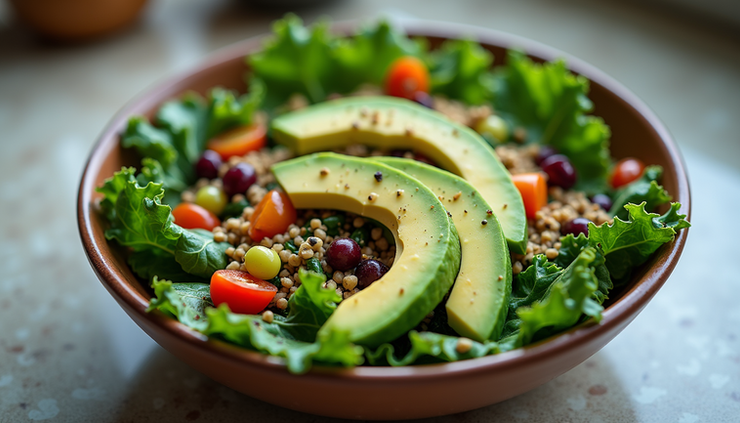
Lunch: Toss kale or spinach into salads or smoothies.
Snacks: Munch on a handful of nuts or seeds.
Dinner: Include salmon or legumes as a protein source.
Baking: Use quinoa flour or add flaxseeds to bread recipes.
Experimenting with recipes can make eating superfoods enjoyable and sustainable.
Considerations When Choosing Superfoods
While superfoods offer many benefits, it is important to keep a few points in mind:
Variety matters: No single food provides all nutrients. A diverse diet is key.
Whole foods over supplements: Nutrients in whole foods often work better together than isolated supplements.
Quality counts: Choose fresh, organic, or minimally processed options when possible.
Allergies and sensitivities: Be mindful of any food allergies or intolerances.
Cost and availability: Some superfoods can be expensive or hard to find; local alternatives may offer similar benefits.
Examples of Popular Superfoods and Their Benefits
| Superfood | Key Nutrients | Health Benefits |
|---------------|------------------------------|-----------------------------------------|
| Blueberries | Vitamin C, antioxidants | Supports brain health, reduces inflammation |
| Kale | Vitamins A, K, calcium | Bone health, antioxidant support |
| Quinoa | Protein, fiber, magnesium | Weight management, heart health |
| Salmon | Omega-3 fatty acids, protein | Heart and brain health |
| Chia seeds | Fiber, omega-3, protein | Digestive health, satiety |
| Avocado | Healthy fats, potassium | Heart health, blood pressure regulation |
Tips for Maximizing the Benefits of Superfoods
Combine with healthy fats: Some nutrients absorb better with fat, such as vitamins A, D, E, and K. For example, add olive oil to kale salads.
Cook wisely: Overcooking can reduce nutrient content. Light steaming or eating raw preserves more vitamins.
Stay hydrated: Water supports digestion and nutrient absorption.
Balance your plate: Include a mix of proteins, carbohydrates, and fats alongside superfoods.

Final Thoughts on Superfoods and a Better Diet
Superfoods offer concentrated nutrition that can support many aspects of health, from heart and brain function to immune defense and weight management. Including a variety of these foods in your diet can help you meet nutrient needs and enjoy flavorful meals.
Focus on whole, fresh foods and balance superfoods with other healthy choices. Small, consistent changes in your eating habits can lead to lasting improvements in well-being. Start by adding one or two superfoods to your meals this week and notice the difference they make.
Remember: Nutrition is one part of a healthy lifestyle. Combine good food choices with regular physical activity, adequate sleep, and stress management for the best results.


Comments